Circulation Booster Devices & Natural Pain Relief Guides
How to Improve Blood Circulation: A Real Look at the Tech Behind Better Blood Flow
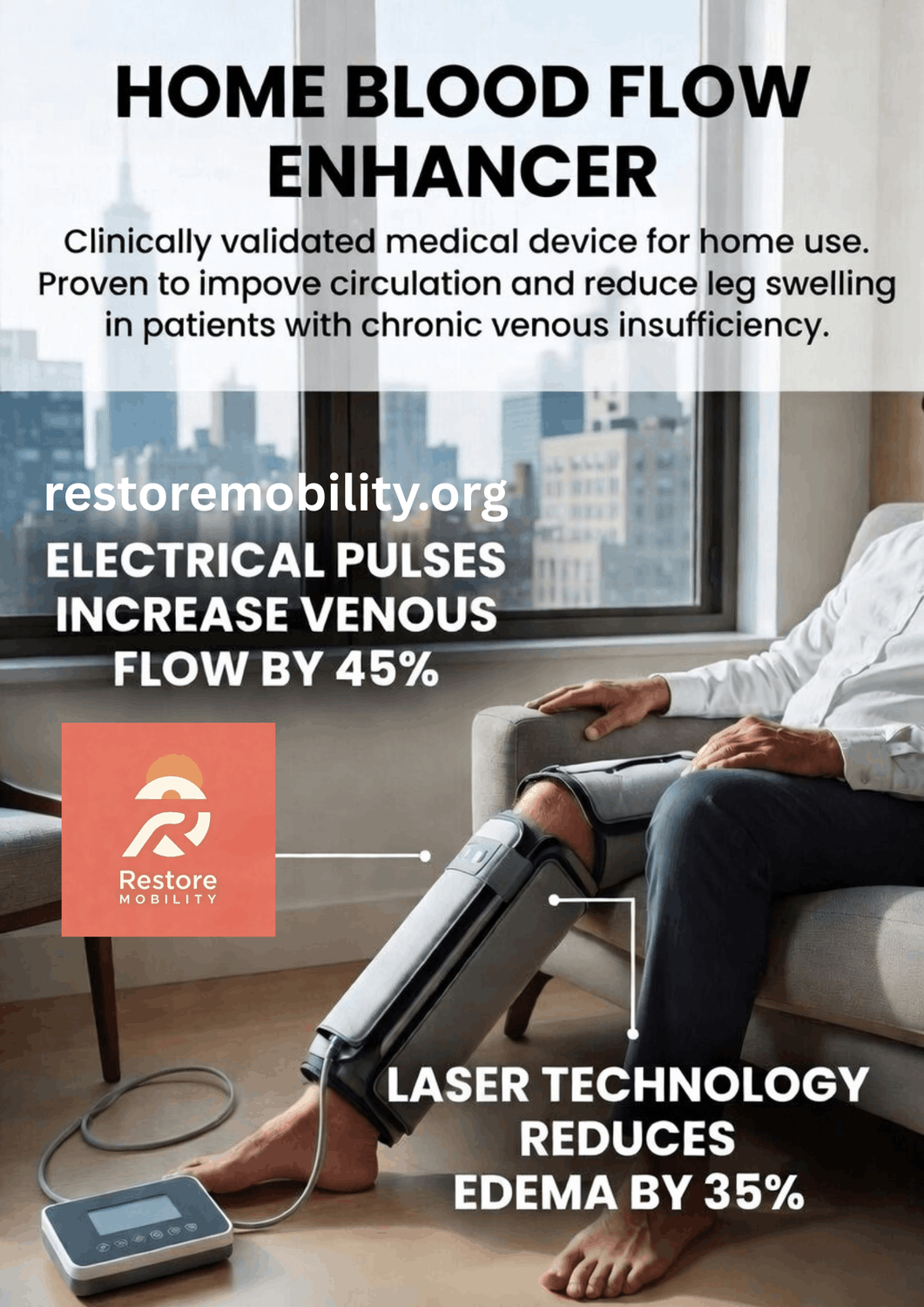
I notice it the same way every year — that first really cold week when I step off the platform at Broadway and my feet feel like they belong to someone else. It's not dramatic. It's just that dull, sluggish, "my body isn't quite keeping up" feeling that a lot of us get used to and stop questioning.
That feeling has a mechanical explanation, and once you understand it, the fixes stop feeling like guesswork.
(If it's specifically your legs and ankles that swell up by the end of the day, I've got a whole breakdown of that in Vascular Health Improvement at Home — this page is about the bigger picture: how circulation works, what a "blood circulation machine" actually is, and how to pick tech that's worth your money.)
What "Poor Circulation" Actually Means
Your heart doesn't do this job alone. Getting blood back up from your extremities against gravity relies on your muscles — especially your calves — squeezing your veins with every step, plus healthy, flexible blood vessels that respond to movement and temperature. Sit still for eight-plus hours a day, and that whole system slows down. Blood pools, tissues get less oxygen, and you feel it as heaviness, tingling, or that "why am I so tired" fog by mid-afternoon.
That's the mechanism behind most of what people mean when they say they want to know how to improve blood circulation. It's rarely one dramatic problem — it's a slow, cumulative effect of a sedentary routine.
The Three Categories of Circulation Tech
(What's Actually Behind a "Blood Circulation Machine")
When people search for a blood circulation machine, they're usually looking at one of three underlying technologies. I've tested devices in all three categories, and they're not interchangeable — each does something different.
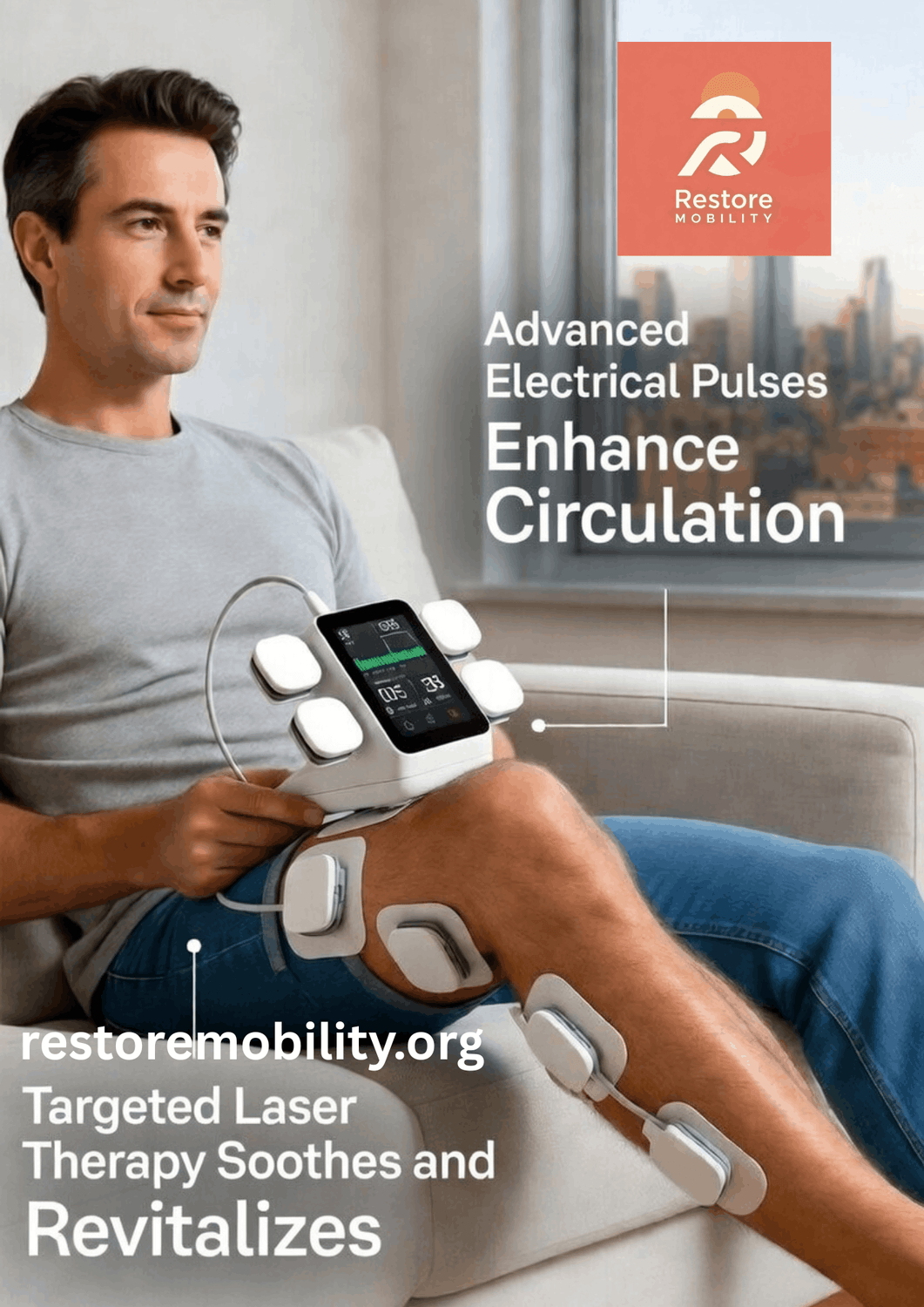
1. EMS (Electrical Muscle Stimulation): These send small electrical pulses into a muscle — usually the calf — making it contract rhythmically, similar to what happens when you walk. The idea is to recruit that "second heart" function even while you're sitting still. It's the category I reach for most on long work-from-home days.
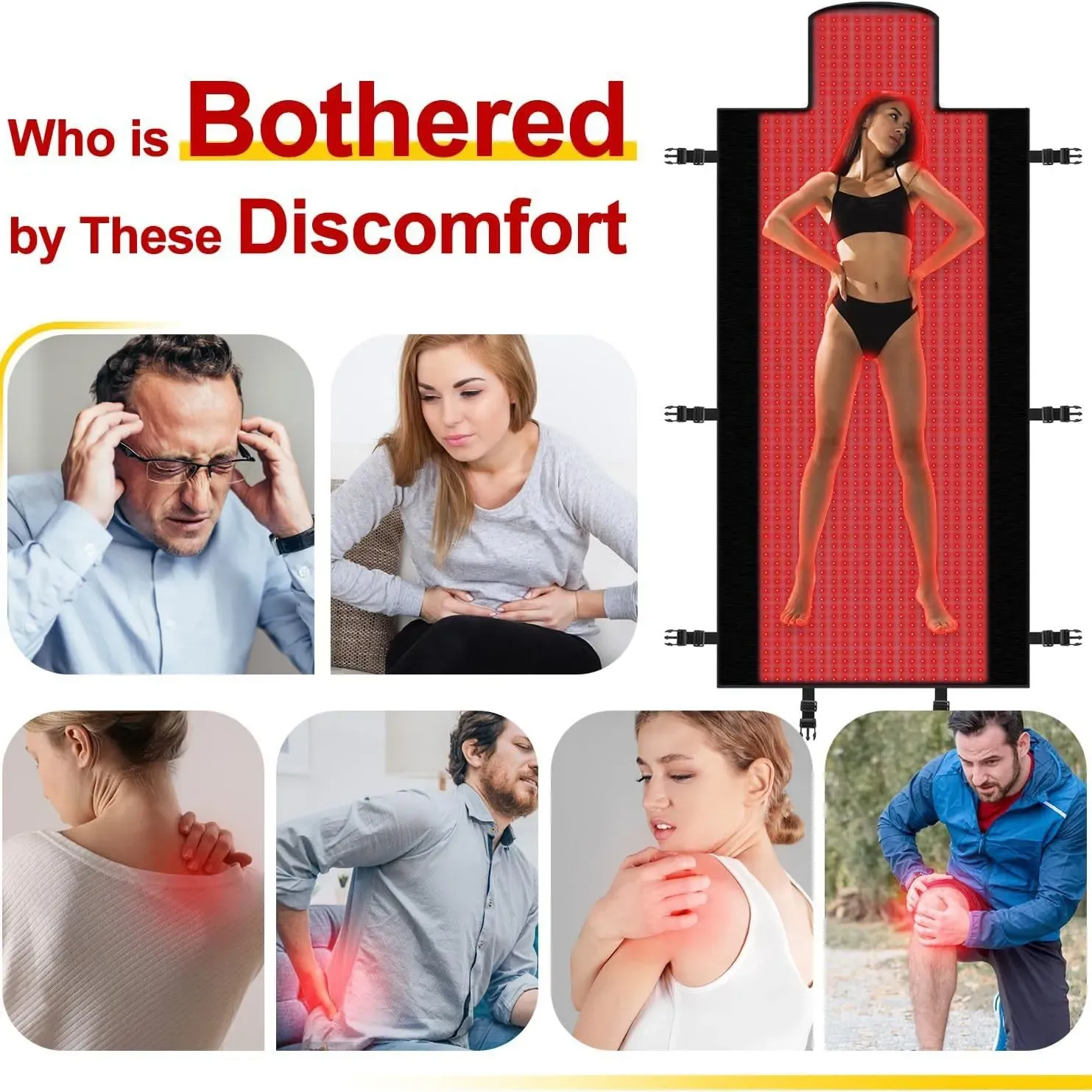
2. Low-Level Laser and Red Light Therapy (LLLT): This uses specific light wavelengths applied to the skin. The general mechanism — supported by a reasonable body of clinical research on light therapy — is that certain wavelengths encourage nitric oxide release, which relaxes and widens blood vessels. It's a slower, gentler approach than EMS, and I mostly use it in the evening.
3. Sequential Pneumatic Compression: These are inflatable sleeves — the kind you'll recognize from hospitals and pro sports recovery rooms — that inflate and deflate in a wave pattern to physically push fluid back toward the heart. It's the most "hands-off" of the three, and the one I'd recommend first to someone who's never used any recovery tech before.
None of these are magic. They're tools that support a process your body already does — they just help it do that process more consistently when your lifestyle works against it.
How to Increase Blood Flow: What I Actually Do
For how to increase blood flow day to day, tech is only part of it. The habits around it matter just as much:
Movement breaks, not workouts. Two minutes of standing and shifting your weight every hour does more for circulation than one long walk squeezed in after a full day of sitting.
Hydration. Blood is mostly water — when you're dehydrated, it's thicker and harder to move through smaller vessels. I keep a bottle at my desk because I genuinely forget otherwise.
The leg-elevation reset. At the end of a long day, I'll lie on the floor with my legs up against the wall for about ten minutes. It's a simple gravity-assisted way to help venous return, and it costs nothing.
Layering tech with movement, not replacing it. A circulation device is most useful stacked with real movement breaks — not as a substitute for ever standing up.
I'm not going to cite a specific percentage improvement here, because I don't have a controlled study behind my own routine — just eight-plus months of consistent use and noticeably fewer "dead leg" evenings. If you want the harder science on light therapy and circulation, that's a good conversation to have with a doctor or physical therapist who can look at your specific situation.
Deepen Your Knowledge: Recommended Reading

The Engineer's Verdict: What's Worth Buying and What Isn't
I've gone through more circulation gadgets than I'd like to admit, including a few that went straight into a drawer. Here's what actually separated the useful ones from the junk, in my own testing:
Adjustable intensity matters. Devices with a single fixed setting stop being effective once your body adapts. Look for a real intensity range.
Battery life should clear a full day. Anything that dies in an hour isn't built for actual daily use — it's built for a demo.
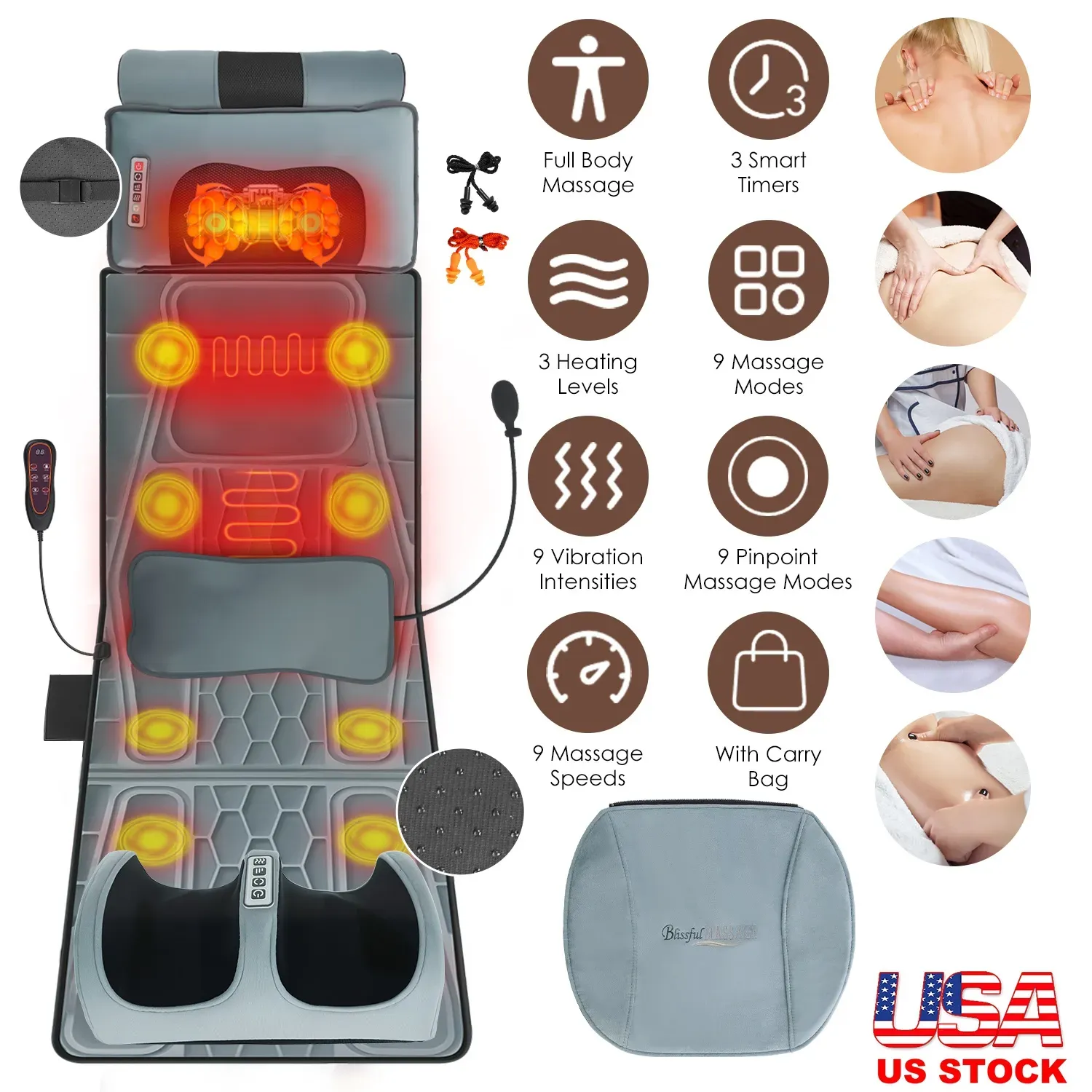
Skip anything that only vibrates. A basic vibration motor is not the same as EMS, LLLT, or pneumatic compression, even when the marketing photos look similar. If a listing doesn't say which of the three technologies it uses, that's a red flag, not an accident.
Rejected from my own rotation: a cheap ankle wrap that claimed "laser therapy" but had no listed wavelength anywhere in the manual — no way to verify what it was actually doing. If a product can't tell you its wavelength (for light-based devices) or its stimulation type (for EMS), I don't trust it enough to keep using it.
Realistically, a device built on one of the three real technologies above tends to run somewhere in the low-to-mid hundreds of dollars. That's not a hard rule, but it's a useful gut check against the $20 gadgets that show up in ads promising the same results.
A Quick Word on the Science
Circulation-support technology — EMS, light therapy, and pneumatic compression — has legitimate research behind the underlying mechanisms, and versions of this tech are used in physical therapy and even in aerospace medicine to counter the effects of prolonged inactivity.
That said, I'm sharing what worked for me and what I understand from general research, not presenting this as medical guidance. If you have a circulation-related diagnosis, high blood pressure, diabetes, a pacemaker, or you're pregnant, loop your doctor in before adding any of this to your routine.
Common Questions About Blood Circulation Machines
Do these devices actually increase blood flow, or is it just a warm, tingly feeling? The mechanisms — muscle contraction, vasodilation from light, and mechanical compression — are real physiological effects, not just sensation. How much they help varies by person and consistency of use.
How long before I notice a difference? For me, the heavy-leg feeling eased up within a couple of weeks of daily use. Everyone's starting point is different, so treat that as a rough personal reference, not a promise.
Can I use an EMS device and a light therapy device together? I do — usually EMS during the day and light therapy in the evening. If you're combining devices, introduce one at a time so you know what's actually helping.
Is a blood circulation machine safe for everyday use? For most healthy adults, yes, when used as directed. If you have a pacemaker, are pregnant, or have a diagnosed vascular or heart condition, check with your doctor before starting.
See the Tech for Yourself
If you want to look at the categories of devices I've mentioned here — EMS, light therapy, and compression — head over to the official curated shop at shop.restoremobility.org. Every category there has been vetted against the same criteria in this article, not picked for margin. Prefer to start with the leg-specific side of this — swelling, heaviness, that end-of-day puffiness? That's covered in more depth in Vascular Health Improvement at Home.
Disclaimer: I'm not a doctor. This article reflects personal experience and general research, shared for educational purposes. It isn't medical advice. Always consult a qualified healthcare provider before starting a new recovery routine or using a circulation device, especially if you have a heart condition, diabetes, a pacemaker or other implant, are pregnant, or have had recent surgery.
Recommended Devices in Our Categories

The Circulation Boosters Devices Knowledge Hub: Explore All Guides
Category: Circulation Booster Devices



Contact: info@restoremobility.org
I am not a doctor or licensed medical professional. The information and experiences shared on this website are for educational and informational purposes only. Nothing on RestoreMobility.org is intended to diagnose, treat, cure, or prevent any disease or medical condition.
All devices (red light therapy, TENS/EMS units, wrist laser devices, circulation massagers, etc.) and suggestions are based on my personal experience and general research. Results vary from person to person. Always consult with a qualified healthcare provider before using any wellness device or starting a new health routine — especially if you have high blood pressure, diabetes, heart conditions, pacemakers, implants, are pregnant, or have had recent surgery.
© Created by Restore Mobility